Exploration & opportunity identification

Finding mineral opportunities others may overlook.

PGV looks for mineral situations where geology, local knowledge, technical judgment and commercial timing can reveal value that is not yet fully recognized.

That may mean an underexplored mineral occurrence, historic workings that deserve a fresh interpretation, a fragmented mining district, a producing source without an efficient route to market, or mineralization whose value is constrained by processing rather than geology.

We look for asymmetry

The best opportunities are not always the most obvious.

Large, well-known deposits naturally attract attention. PGV is also interested in a different part of the mineral landscape: situations where the underlying opportunity may be better than the market currently understands.

A property may have been explored incompletely. Historic workings may never have been systematically sampled. Mineralization may extend beyond the area previously considered important. A miner may have attractive ore but limited technical capability. A deposit may have been dismissed because the wrong processing route was assumed. A critical-mineral occurrence may be discussed extensively without its actual mineralogy being understood.

These are the situations where better information can create disproportionate value. PGV looks for the gap between what is currently understood and what may actually be possible.

What makes an opportunity interesting?

Four filters before we commit more attention.

Geological signal

Visible mineralization, historic production, favorable structures, alteration, geochemical response, repeated occurrences, encouraging assays or a compelling regional geological interpretation can all contribute. No single indicator is enough; several pieces of evidence should begin supporting the same geological idea.
Under-recognized value

We are particularly interested where current interpretation may be incomplete: historic workings, underexplored concessions, overlooked commodities or opportunities previously judged through an outdated processing assumption.

Practical development

Access, infrastructure, permitting status, water, power, transport, community relationships, counterparties and logistics can determine whether a geological opportunity can ever become commercially relevant.

Commercial optionality

Direct ore sales, selective mining, crushing and sizing, gravity concentration, flotation, blending, toll processing or concentrate production can provide different routes to value. Optionality improves resilience.

How PGV screens an opportunity

Reject weak opportunities early. Deepen work only where the case strengthens.

01

Initial opportunity screen

Location, commodity, geological context, ownership or supplier position, available assays, historic work and the basic reason the opportunity deserves attention.

02

Field verification

Compare the story with ground reality: geology, workings, mineralization, access, infrastructure, stockpiles, mining activity and logistics.

03

Representative sampling

Exceptional assays can be interesting, but they do not establish an opportunity. Sampling has to become progressively more representative and independently verifiable.

04

Mineralogy and processing logic

Understand how the value occurs within the ore: free versus associated gold, copper mineralogy, liberation, penalty phases and potential beneficiation response.

05

Product definition

Determine what the opportunity could realistically produce: direct-shipping ore, crushed material, gravity product, concentrate, blend or another beneficiated product.

06

Market and logistics screen

Assess product specifications, payability, penalties, moisture, shipment size, inland transport, export route and working-capital implications.

07

Advance, restructure or walk away

Opportunities that strengthen may proceed. Opportunities that weaken should be restructured or rejected. Walking away is part of disciplined exploration.

What we are particularly interested in

Opportunity types that deserve a closer look.

Underexplored mineral occurrences

Mineralization may be known locally but never subjected to systematic geological, analytical and commercial evaluation. A relatively small amount of disciplined work can sometimes transform an anecdotal occurrence into a defined opportunity—or demonstrate quickly that there is no reason to continue.

Historic workings

Old mining activity can be valuable geological evidence. Historic miners frequently followed visible mineralization selectively and may have left substantial areas unexplored. Modern sampling, analytical control and different processing or market conditions can justify another look.

Small and fragmented producers

Some interesting opportunities may already be producing. The constraint may be fragmented output, inconsistent sampling, weak quality control, limited working capital or poor market access. Aggregation can sometimes create a stronger commercial platform.

Processing-constrained resources

The geological opportunity may be real but the assumed processing route may be wrong. Recovery problems, impurities, mineral association or inadequate liberation can hide value that becomes visible only after the technical problem is correctly defined.

Critical-mineral opportunities

Tantalum, niobium and other critical minerals attract attention, but commercial interest should begin with mineralogy: what mineral species contains the value, can it be liberated, can a concentrate be produced and what specification will the market actually buy?

What we deliberately avoid

Selectivity is part of the strategy.

PGV does not need to accumulate projects for the sake of appearing larger. We become cautious when an opportunity relies mainly on isolated high assays, when ownership or access cannot be established clearly, when representative sampling contradicts promotional grades, when the processing route is disproportionately complex, when logistics overwhelm the mineral value, or when the commercial model depends on unrealistic assumptions.

There should be a clear answer to a simple question: why is this opportunity interesting, and why are we positioned to recognize or develop that value?

Minerals of interest

Commodity-aware, but opportunity-driven.

PGV is not restricted to one mineral. Current areas of interest include gold, copper, copper–gold systems, tantalum, niobium, iron ore, selected polymetallic systems and other precious, base and critical-mineral opportunities. The commodity alone does not determine whether we investigate. The underlying thesis does.

  • Gold
  • Copper
  • Copper–Gold
  • Tantalum
  • Niobium
  • Iron Ore
  • Selected Polymetallic Systems
Peru as the field foundation

Geology matters. So does understanding how mining actually works on the ground.

Peru remains central to PGV’s exploration perspective. The country combines globally significant mineral endowment with a diverse mining ecosystem—from major operations to local concession holders, historic workings and small producers.

That diversity creates opportunity, but it also requires local judgment. Access, counterparties, permitting, laboratories, logistics, local processing capability, commercial competition and the speed at which mineral changes hands can be as important as geology.

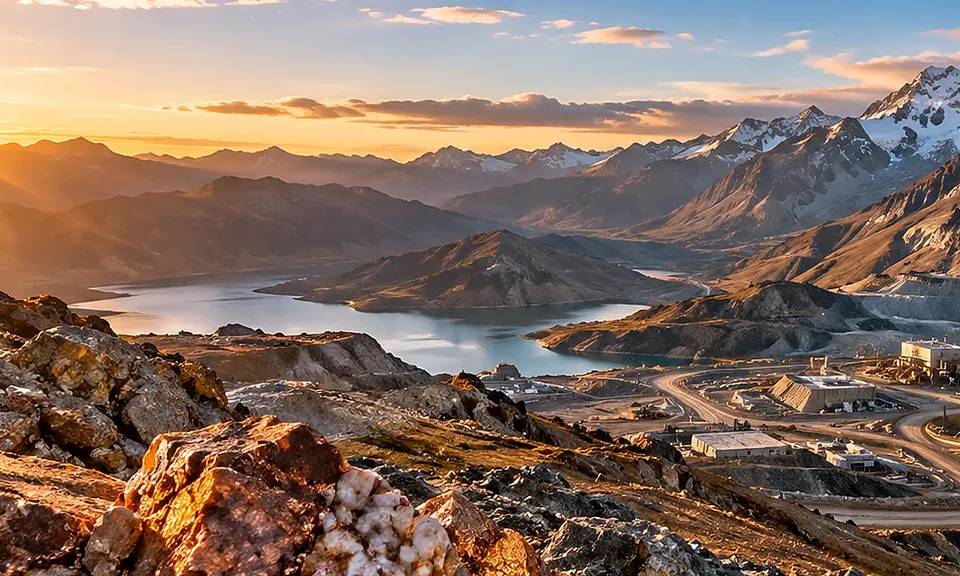
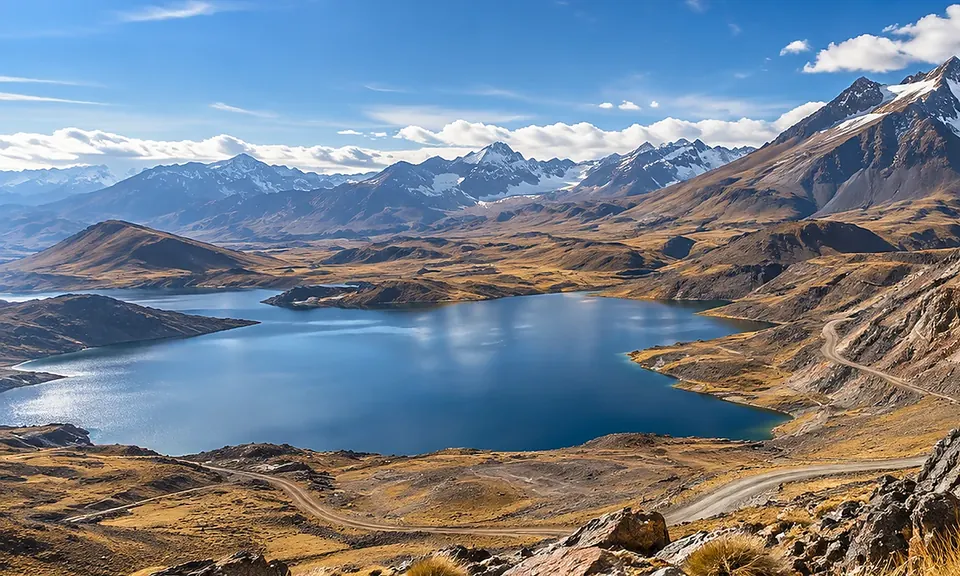
Representative southern Peru gold exploration landscape
Puno 1 / Gold

Southern Peru gold exploration.

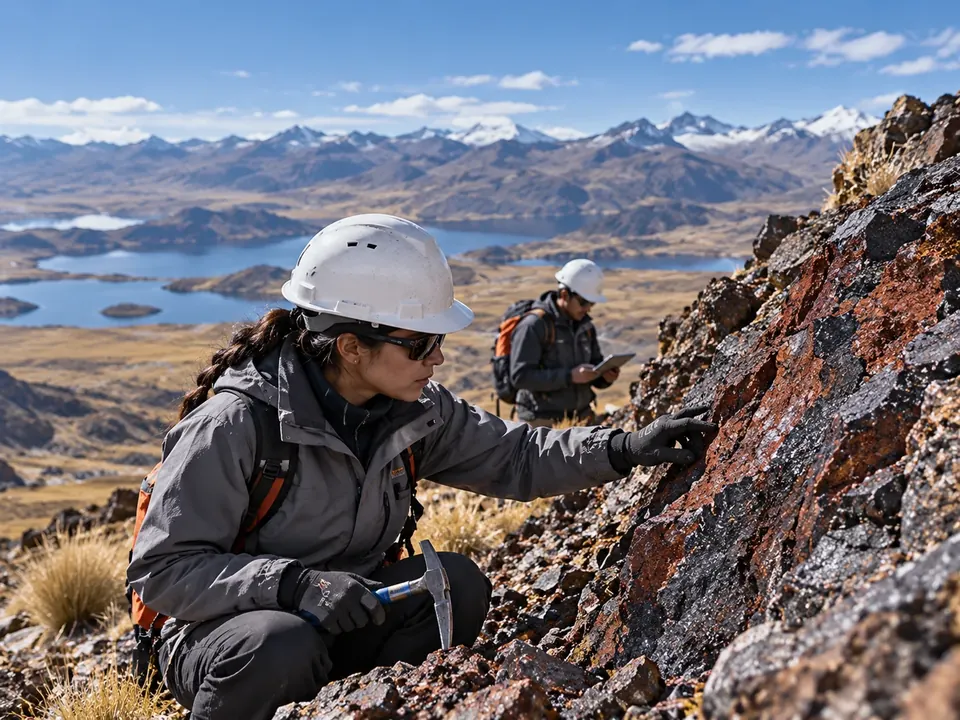
Work in the Puno region has provided experience in high-altitude field evaluation, geological interpretation, sampling and mineral opportunity screening. The significance of Puno 1 is broader than one project: it reflects the approach PGV wants to apply repeatedly.

Southern PeruGoldField verification
Representative geologist reviewing mineralized outcrop in southern Peru
Arequipa 1 / Gold

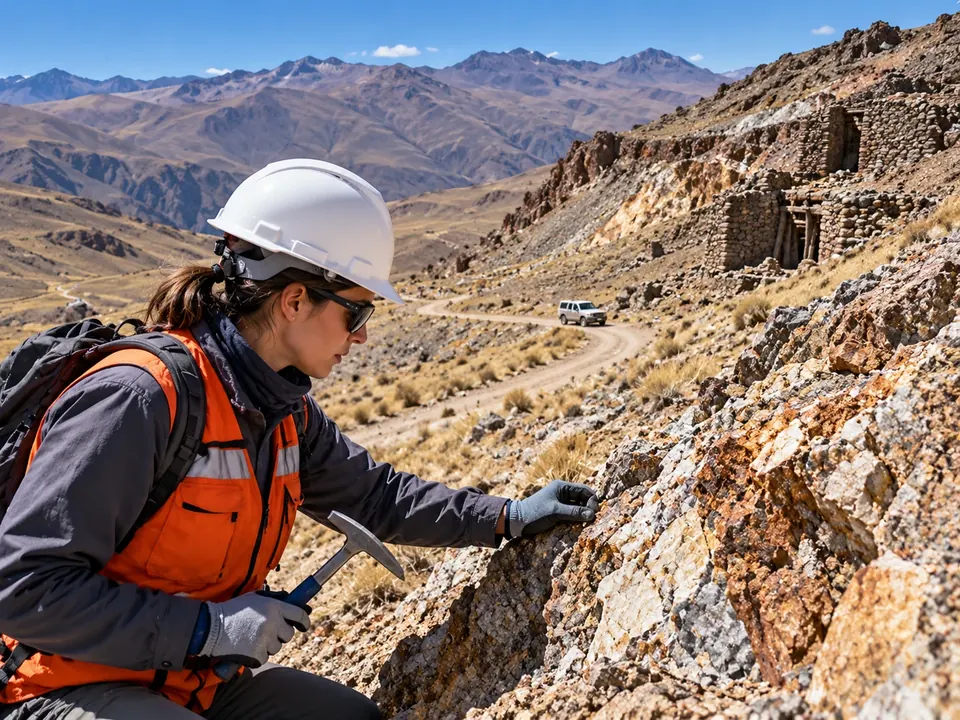
Historic workings can contain unfinished geological stories.

Historic workings and quartz-vein mineralization illustrate why older mining areas can deserve fresh investigation. Previous mining proves mineralization existed; it does not necessarily prove the system was fully understood.

ArequipaGoldHistoric workings
Representative iron ore exploration terrain in northern Peru
Northern Iron Ore Cluster

Bulk minerals still require selective thinking.

Northern Peru magnetite and hematite opportunities provided experience in screening bulk-mineral projects not only for geological scale, but for the practical ability to move and sell substantial tonnage.

Northern PeruIron OreLogistics screen
Representative field survey of iron-rich outcrop in southern Peru
Puno Iron Ore Cluster

Sometimes the opportunity is in the cluster.

Multiple occurrences within one corridor can sometimes create a stronger opportunity collectively than individually. Shared logistics, blending potential and common processing characteristics can change the economics.

PunoIron OreCluster approach
From exploration to trade

Finding the mineral opportunity is only the first stage.

Once an opportunity survives geological, technical and commercial screening, PGV begins defining the appropriate route to market. That might involve direct mineral purchase, selective mining, crushing and sizing, blending, concentration, toll processing, concentrate production, export or domestic sale.

There is no requirement that every opportunity follow the same path. The correct path is the one that creates the strongest risk-adjusted commercial outcome.

Bring us an opportunity

We want substance, not perfection.

PGV is interested in conversations with concession holders, miners, geologists, local operators, asset owners and commercial partners who believe they have a mineral situation that deserves deeper investigation.

The most useful first information is straightforward: location, commodity, concession or ownership status, available assays, photos or geological information, existing workings or production, approximate tonnage where known, accessibility, and why you believe the opportunity deserves another look.