Know the source
Understand where the material comes from, how it is produced and whether the supply can be verified.

Trading is the second pillar of PGV. Once a mineral opportunity is understood, the next task is to define the right product, control its quality and connect it to the appropriate market.
Our objective is not simply to move tonnage. It is to build a commercial route around material whose quality, processing behavior, risks and buyer requirements are understood.
Grade is only the beginning. We consider mineralogy, recoverability, impurities, consistency, moisture, particle size, transport, shipment size, sampling methodology and buyer specifications before defining how a mineral product should be marketed.
That discipline reduces avoidable disputes, improves product positioning and helps ensure that the commercial route is appropriate for the material rather than forced onto it.
Understand where the material comes from, how it is produced and whether the supply can be verified.
Grade, mineralogy, moisture, sizing, impurities and consistency should be understood before pricing.
Different buyers value the same material differently depending on process route, penalties and commercial structure.
Logistics, shipment size, port handling and payment timing can materially alter the economics of a trade.
Representative assay, mineral type, moisture, sizing, impurities and the variability expected across lots.
A single good assay is not enough. Commercial value depends on whether supply can be produced or assembled consistently.
Payable metals, penalties, deductions, treatment terms and downstream processing route determine net value.
Origin logistics, packaging, storage, transport, port handling, documentation and working capital all matter.

Payable copper, gold and silver credits where present, arsenic and other impurities, moisture, consistency, sampling and shipment terms all contribute to the commercial result. A technically stronger concentrate can command materially different treatment economics.

Gold concentrate value depends on contained Au, sulfide association, mass pull, downstream treatment route, deleterious elements and the commercial structure under which the product will be processed.
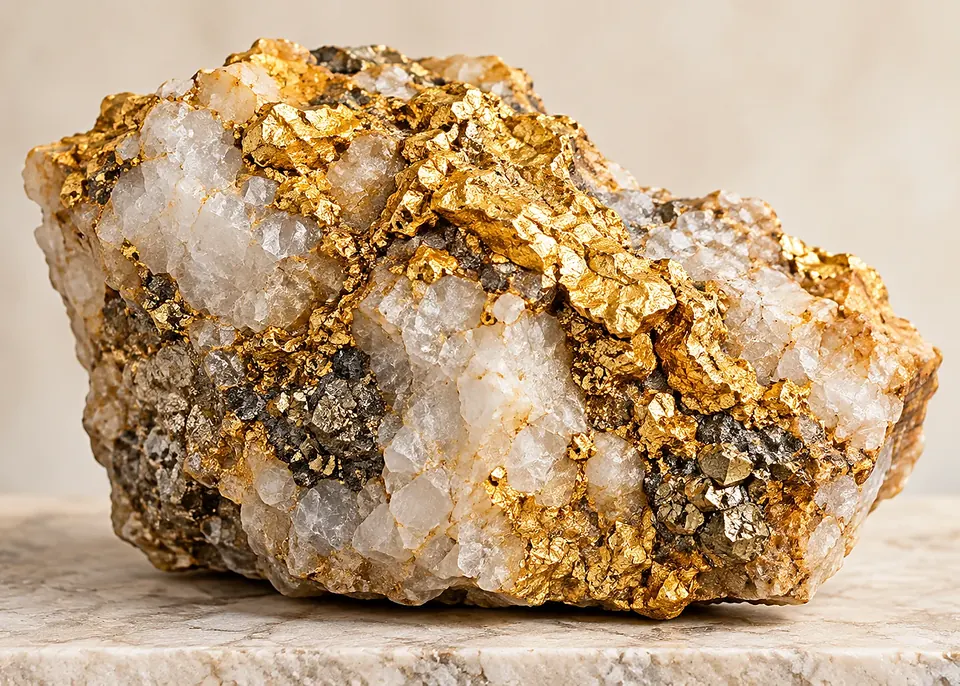
Where ore rather than concentrate is the correct product, the commercial route depends on representative grade, gold association, sizing, moisture, processing destination and independent assay reconciliation.
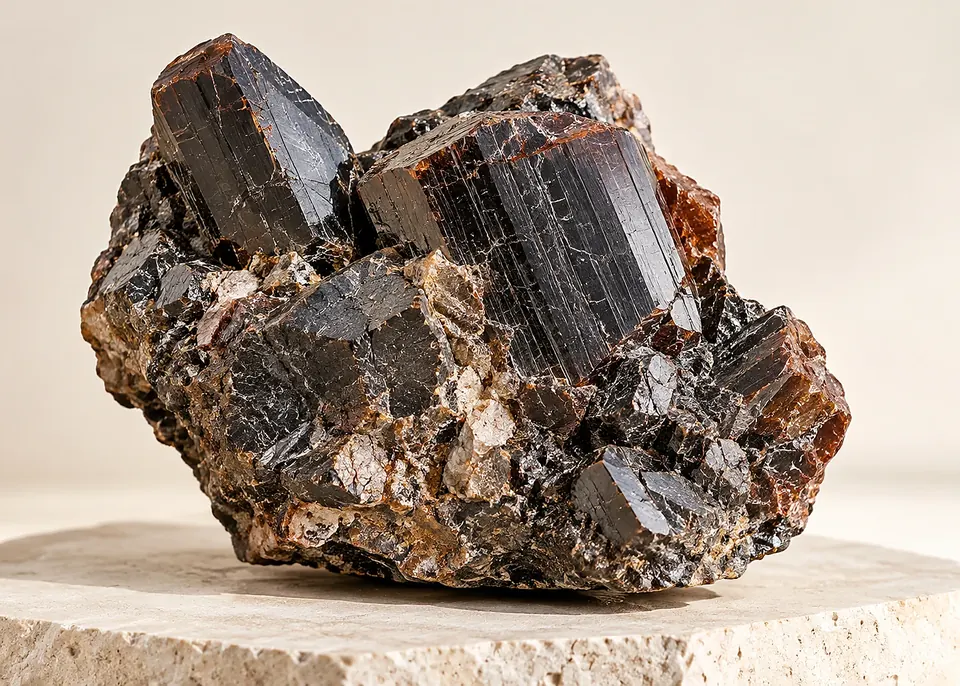
The commercial opportunity depends on the tantalum-bearing mineral species, liberation, concentration response, impurities and the specification required by the downstream buyer.
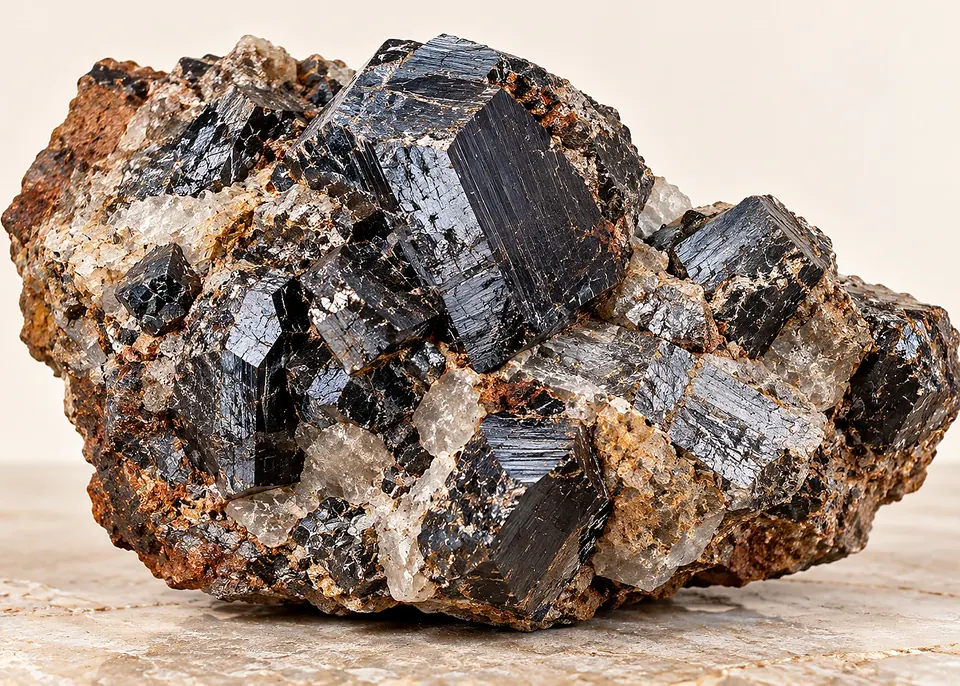
Niobium opportunities require clear identification of the host mineral, gangue relationships, impurity profile and beneficiation pathway before serious commercial positioning.
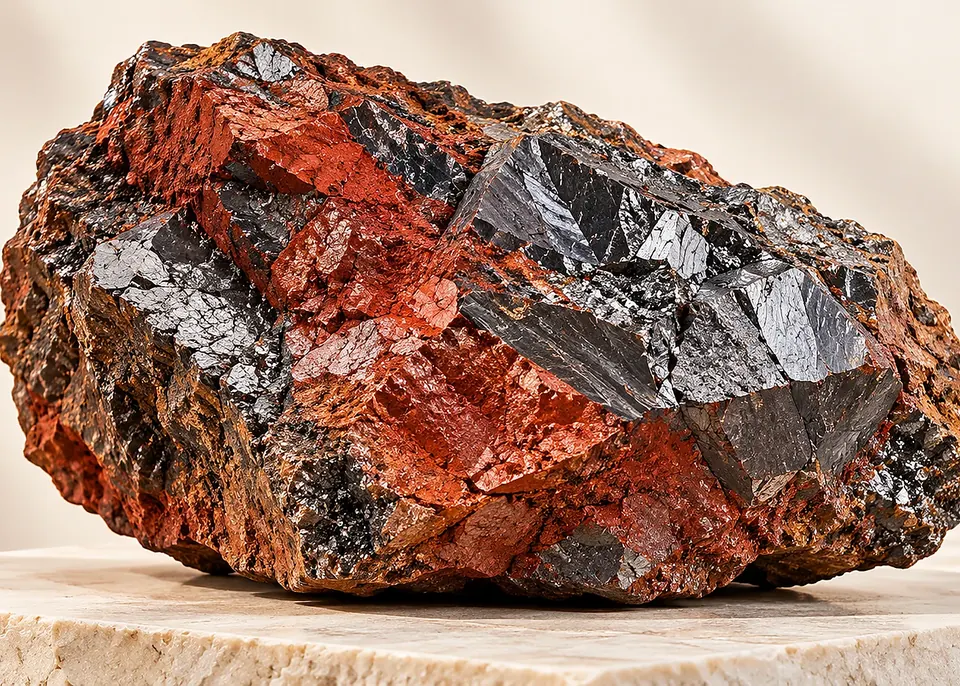
Fe grade, silica, alumina, phosphorus, sulfur and sizing determine quality, while trucking, storage, port access and shipment scale determine whether the trade can work economically.
Identify reliable mineral sources, establish quality expectations and build repeatable commercial relationships.
Where appropriate, combine compatible material from multiple smaller sources to create shipment scale, while maintaining traceability and quality control.
Use controlled blending to manage grade, impurities, moisture or other product characteristics when technically and commercially appropriate.
Convert ore into a higher-value commercial product through third-party processing where owning a plant is unnecessary or premature.
Position the material with buyers whose treatment route and commercial appetite fit the actual product.
PGV’s objective is to develop repeatable business rather than rely on isolated transactions. That requires clarity on assay methodology, sampling, title and origin, product acceptance criteria, logistics, payment terms and dispute mechanisms before scale increases.