Direct-sale route
Where ore quality already meets the commercial requirement, processing should not be added merely for appearance.

Processing is not the starting point of the PGV model. It becomes relevant once a mineral opportunity has been identified and the commercial objective is clear.
The role of processing is to remove the technical constraints between the opportunity in the ground and the product the market is prepared to buy.
Some material can be sold after simple crushing, screening or blending. Other opportunities require concentration, impurity rejection or more sophisticated separation before the product becomes commercially attractive.
The objective is to identify the simplest practical route that creates the required product reliably and at an acceptable cost.
Where ore quality already meets the commercial requirement, processing should not be added merely for appearance.
Crushing, screening, sizing, gravity or blending may be sufficient to improve a material materially.
Flotation or other separation routes become relevant where concentration is required to create a viable product.
Selective rejection may unlock value where penalty elements or gangue currently restrict marketability.
Representative assay, mineralogy, size distribution, hardness, moisture and liberation requirements establish the technical baseline. Without this foundation, flowsheet design becomes assumption-driven.
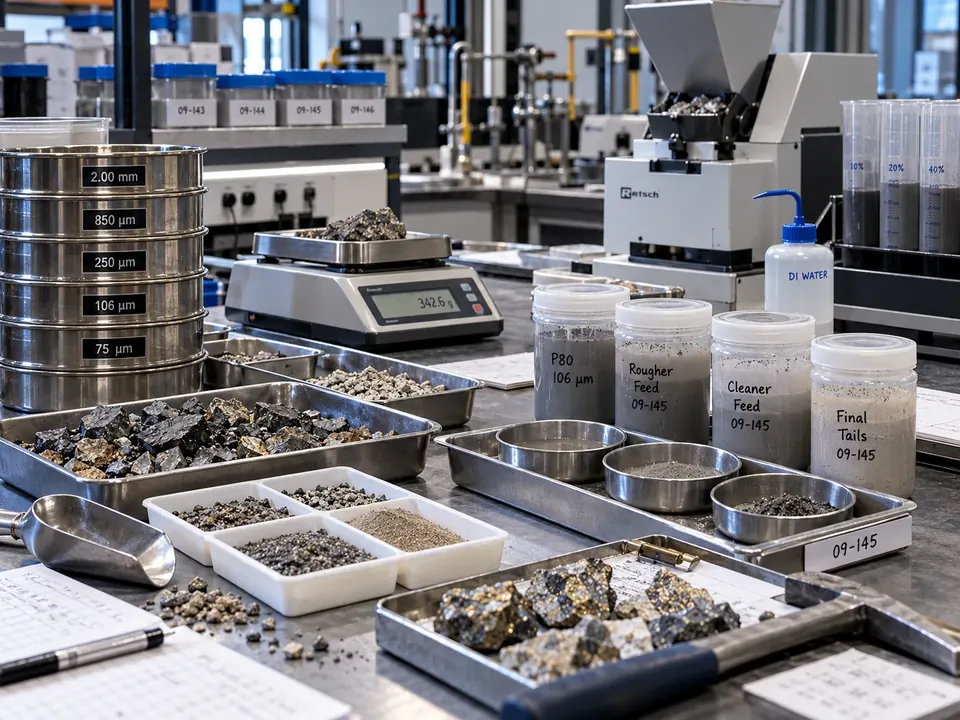
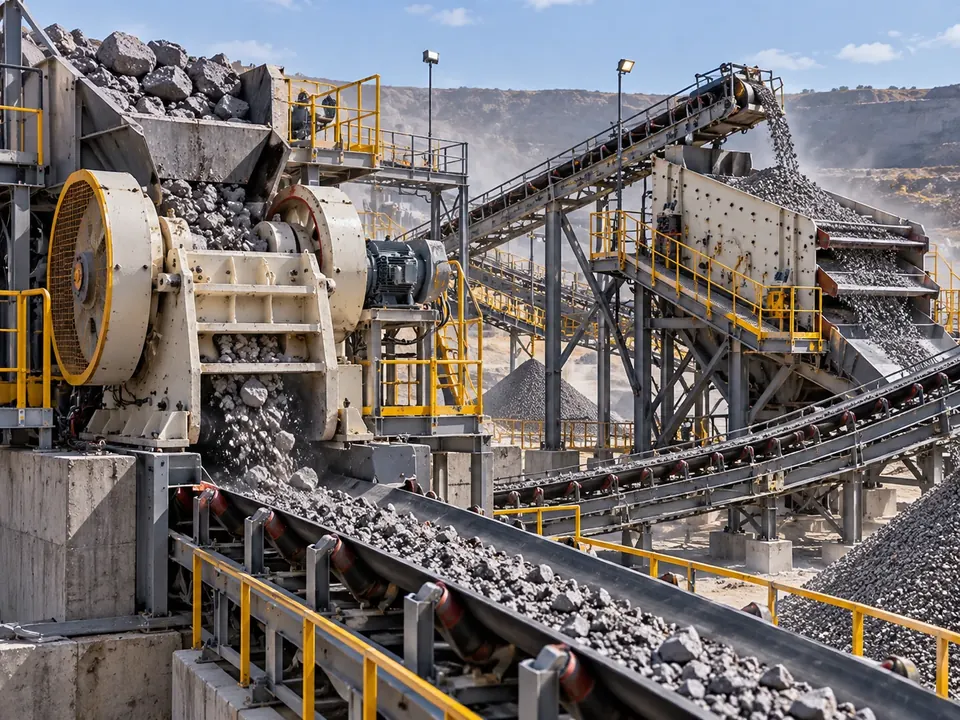
Crushing, screening and recirculation should create the size distribution required by the next stage while avoiding unnecessary energy, fines generation and complexity.
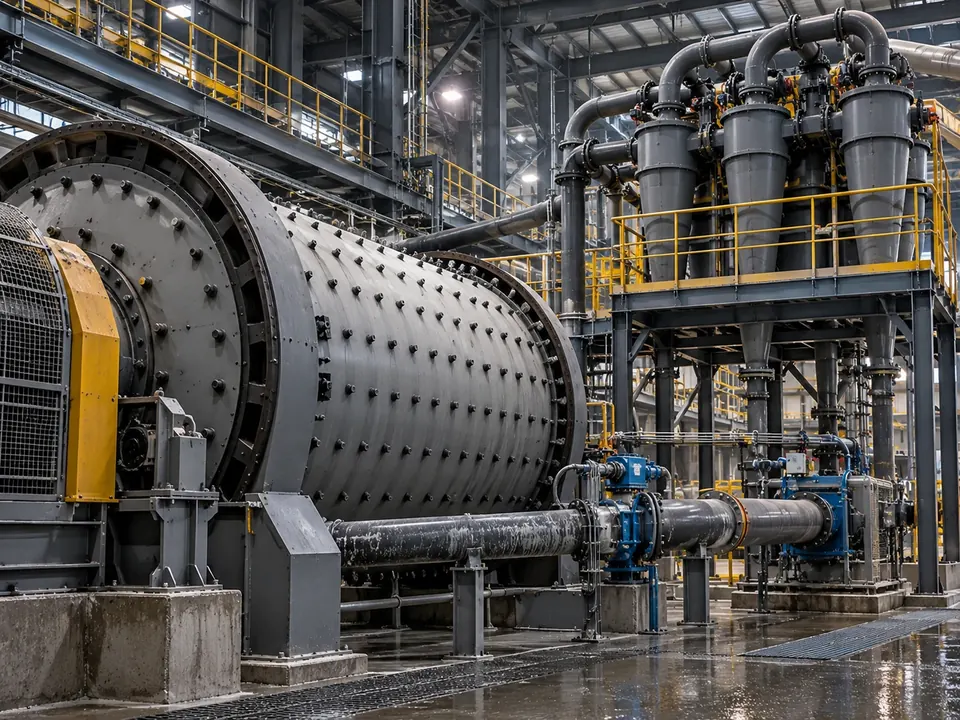
Grinding and classification are selected around ore hardness, target liberation, energy demand, maintenance and the separation method that follows.
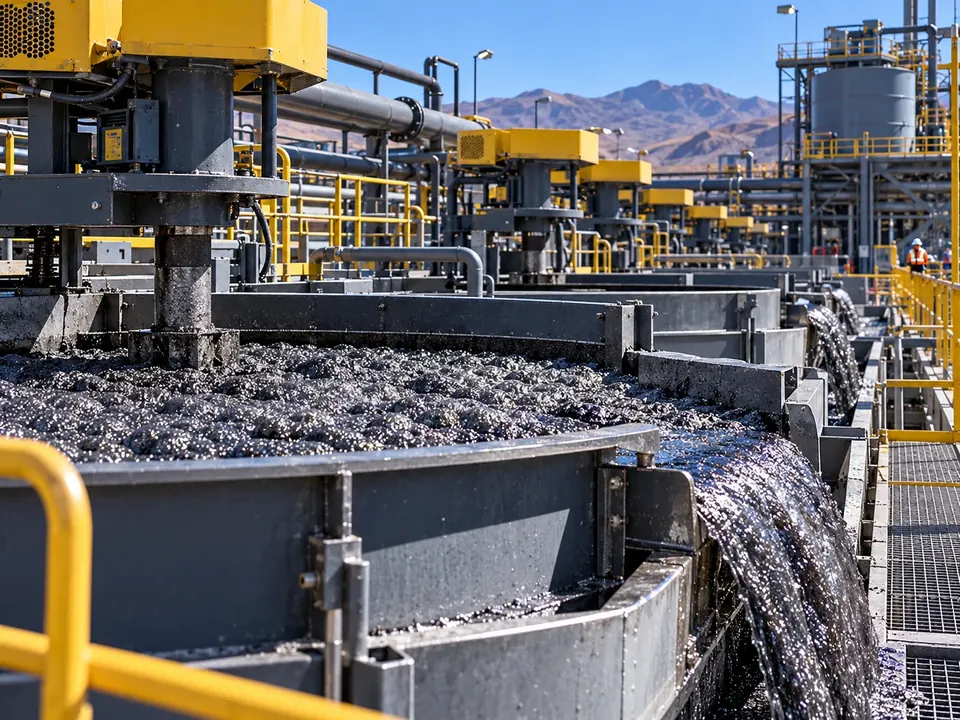
Gravity, flotation, magnetic separation and other methods are evaluated through recovery, selectivity, concentrate grade, mass pull and impurity rejection—not recovery in isolation.
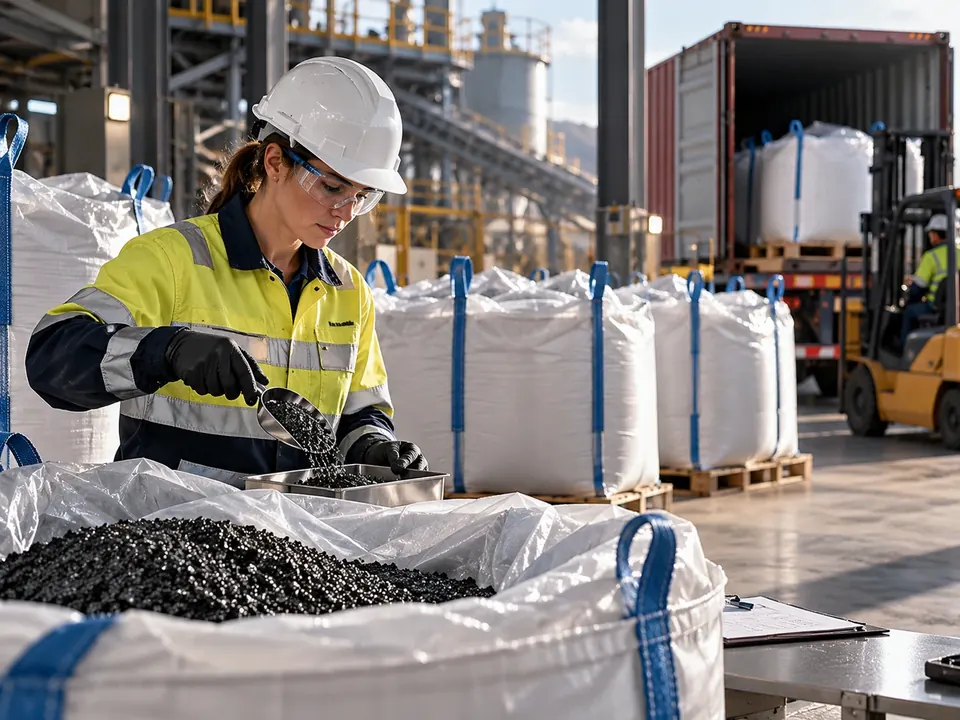
Storage, blending, moisture control, representative sampling and product handling reduce lot-to-lot variability and make the product more predictable for both producer and buyer.
Equipment should follow process logic. The question is what each stage needs to achieve, not what machinery is fashionable.
Maintenance capability, operator skill, dust, wear, material handling, water, power and spare-parts availability should influence design decisions.
Capacity should reflect realistic ore availability and commercial demand. Oversizing can destroy returns as effectively as undersizing.
Not every opportunity justifies immediate ownership of a plant. Toll milling, staged capacity and modular development can reduce risk while the resource and market are proven.
Sampling, blending, assay control and product traceability are operating functions, not administrative afterthoughts.
Complexity should earn its place. Every additional stage, recycle loop, reagent, machine and control point must contribute enough value to justify its capital, operating and maintenance burden.
Opportunity first. Product definition second. Processing route in service of both.