Start with a defined problem
Liberation, surface conditioning, selectivity, impurity rejection, recovery, energy use or product quality must already be a real constraint.

PGV does not begin with technology and search for a problem to justify it. We begin with the mineral opportunity, identify the technical constraint, and then ask whether a new treatment can improve the commercial outcome.
Liberation, surface conditioning, selectivity, impurity rejection, recovery, energy use or product quality must already be a real constraint.
The new treatment has to outperform the untreated or conventional route under comparable conditions.
An isolated positive test result is not enough. The improvement should survive repeated testwork and realistic feed variability.
The improvement must justify added capital, energy, maintenance, control requirements and scale-up risk.
Is there a technically plausible reason the treatment should work on this mineral system?
Can the claimed effect be measured against a clear control under disciplined test conditions?
Does the improvement remain visible under larger, continuous or more representative conditions?
Can the treatment be translated into equipment, residence time, control and throughput that make engineering sense?
Does the value of the improvement exceed the cost and complexity introduced by the technology?
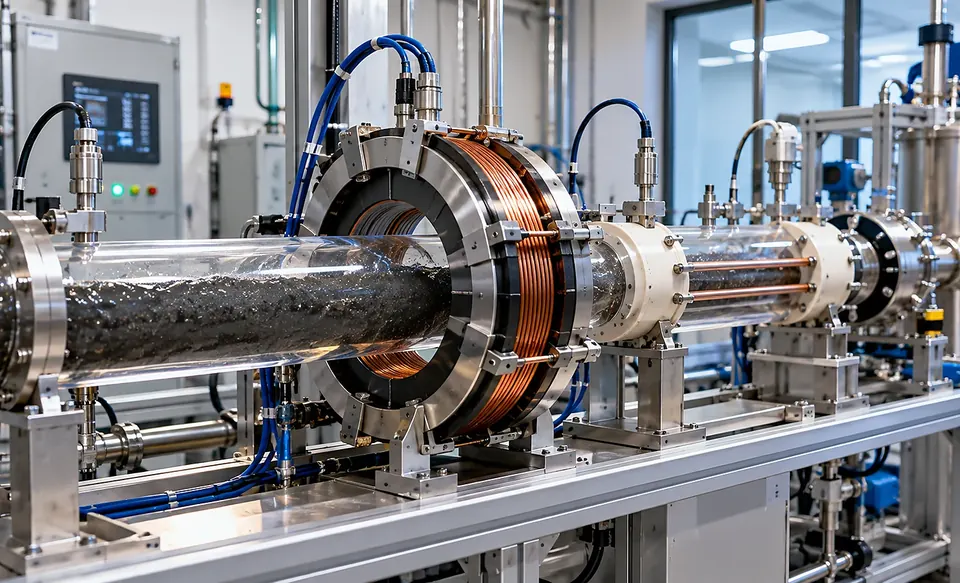
Electric and magnetic exposure concepts are evaluated for selected mineral systems where a credible mechanism may affect liberation, surface behavior or subsequent recovery.
Status: development and evaluation concept, not a blanket commercial claim.
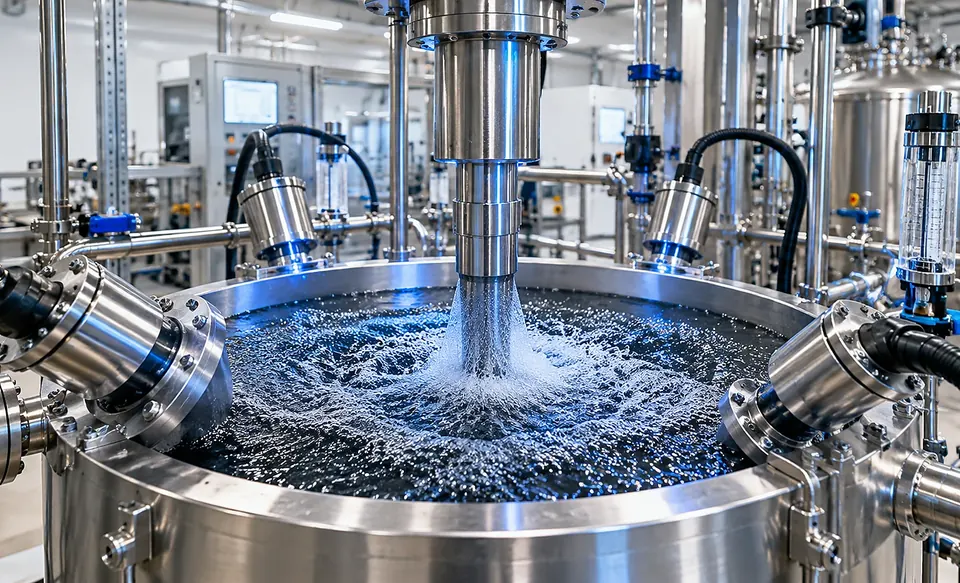
High-intensity ultrasound is being considered as a conditioning tool where surface cleaning, sulfide behavior, fine-particle response or reagent interaction may be limiting conventional performance.
The key question is whether measurable improvement survives energy and scale-up economics.
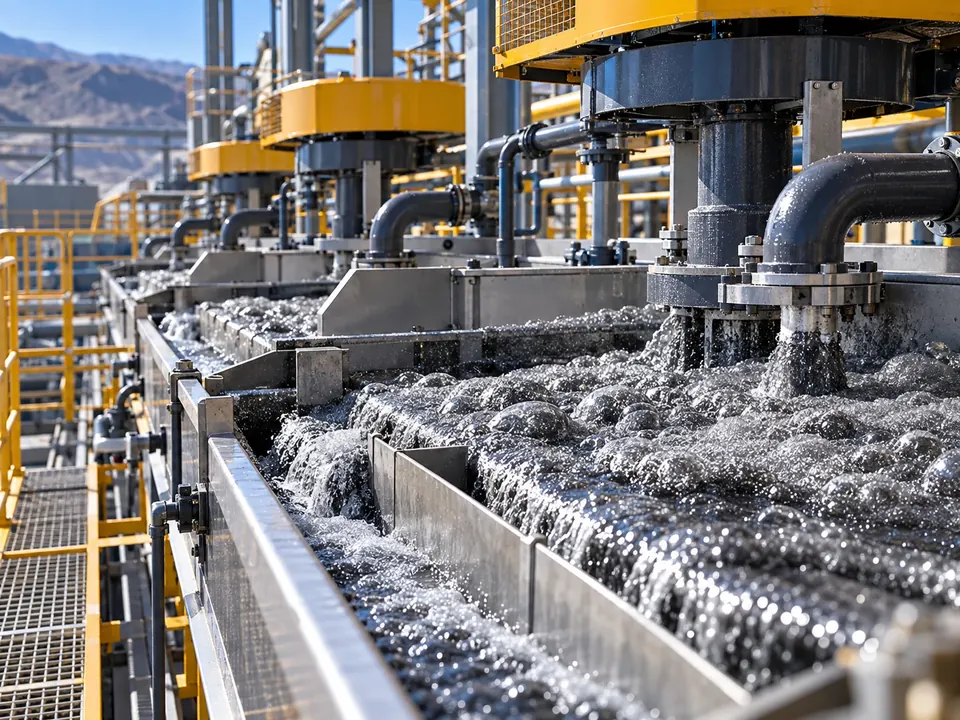
Flotation development is built around mineralogy, particle size, liberation, surface chemistry and the commercial trade-off between recovery, concentrate grade, mass pull and reagent demand.

Arsenic and other penalty elements require mineralogical diagnosis before process selection. Where technically justified, flotation, magnetic separation or staged treatment may offer a selective rejection route.
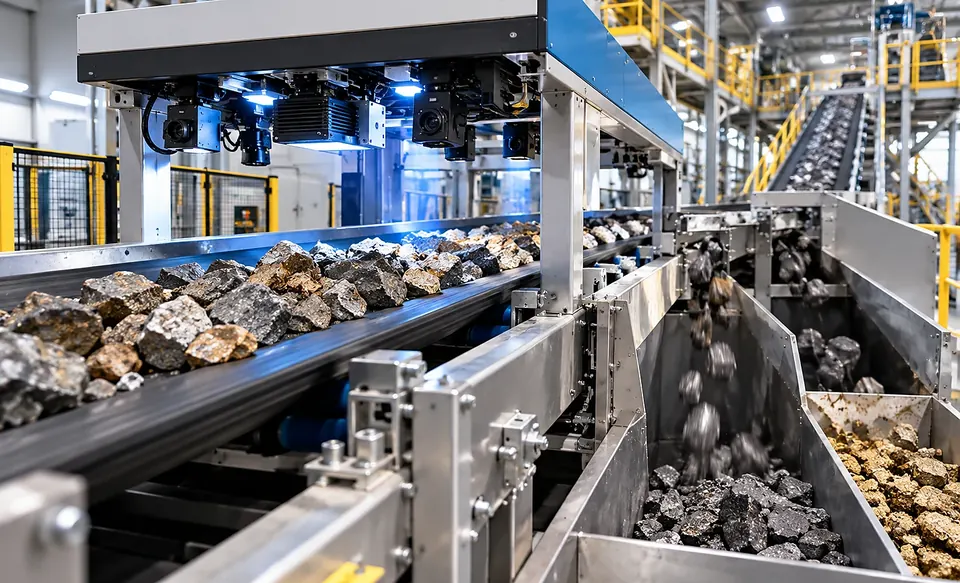
Sensor-based sorting becomes interesting when mineral contrasts are strong enough to reject low-value material early while protecting contained value.
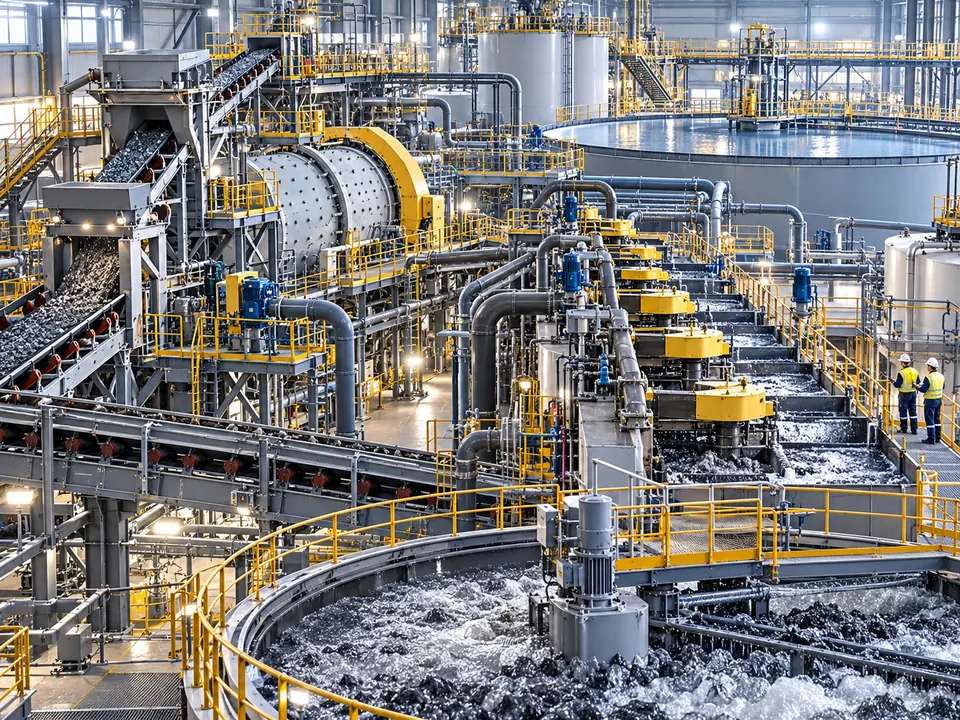
Gravity, flotation, magnetic separation, hydrometallurgy and pre-treatment may be staged when mineral deportment requires it. The objective is a coherent process route—not a collection of technologies.
Technology cannot compensate for poor geology, inconsistent feed, unrealistic assumptions, weak sampling or a product with no viable market. The mineral opportunity and commercial logic have to be credible before advanced treatment deserves serious attention.